
Therapy & Support Options
Play Therapy
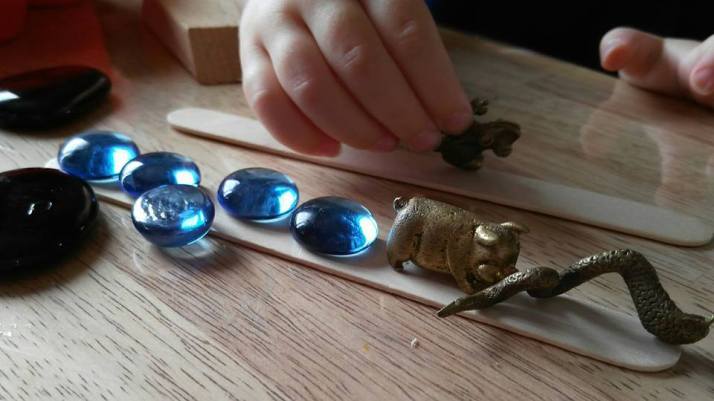
Play therapy provides a way for children to explore and express their experiences in a safe, healing manner.
My approach is informed by Synergetic Play Therapy, a research-informed model that integrates the therapeutic powers of play with nervous system regulation, interpersonal neurobiology, attachment theory, mindfulness, and therapist authenticity.
More on this approach to therapy can be found here https://synergeticplaytherapy.com/
Play Therapy
Play therapy provides a way for children to explore and express their experiences in a safe, healing manner.
My approach is built on Synergetic Play Therapy. This is a research-informed model of play that therapy combines the therapeutic powers of play with nervous system regulation, interpersonal neurobiology, attachment, mindfulness, and therapist authenticity.
Sessions are held weekly, and guided by the child's needs. Regular parent updates are provided.
More on this approach to therapy can be found here - https://synergeticplaytherapy.com/
Play therapy for under 10's.
Play therapy provides a way for children to explore and express their experiences in a safe, healing manner.
My approach is informed by Synergetic Play Therapy, a research-informed model that integrates the therapeutic powers of play with nervous system regulation, interpersonal neurobiology, attachment theory, mindfulness, and therapist authenticity.
Sessions are held weekly, and guided by the child's needs. Regular parent updates are provided.
More on this approach to therapy can be found here ; https://synergeticplaytherapy.com/
PlayTherapy
Play therapy provides a way for children to explore and express their experiences in a safe, healing manner.
My approach is informed by Synergetic Play Therapy, a research-informed model that integrates the therapeutic powers of play with nervous system regulation, interpersonal neurobiology, attachment theory, mindfulness, and therapist authenticity.
Sessions are held weekly, and guided by the child's needs. Regular parent updates are provided.
More on this approach to therapy can be found here ; https://synergeticplaytherapy.com/



Therapy
Therapy targeted to meet the developmental stage of the young person involved, and their goals. The focus often involves things such as
-
Emotional regulation and behaviour support
-
Anxiety, worries, and fears
-
Working with trauma
-
Support for neurodivergent children
-
Phobia
-
Adjustment and coping
-
Social and relational challenges
Therapy
Supporting children and young people with challenges around:
-
Emotional regulation and behaviour support
-
Anxiety, worries, and fears
-
Working with trauma
-
Support for neurodivergent children
-
Phobia
-
Adjustment and coping
-
Social and relational challenges
Working with Young People
Therapy targeted to meet the developmental stage of the young person involved, and their goals. The focus often involves things such as
- Emotional regulation and behaviour support
-
Anxiety, worries, and fears
- Working with trauma
- Support for neurodivergent children
- Phobia
- Adjustement and coping
- Social and relational challenges
Working with Young People
Supporting children and young people with challenges around:
-
Emotional regulation and behaviour support
-
Anxiety, worries, and fears
-
Working with trauma
-
Support for neurodivergent children
-
Phobia
-
Adjustement and coping
-
Social and relational challenges

Parent/Caregiver Support
Parents are a child's first connection to the world, and their most enduring relationship.
Support ranges from working with parents and children together, to working only with parents to reach specific goals.
Regardless of your goals, support is affirming, respectful, and targeted to your needs.
Supporting parents and caregivers can look like
-
support and information following assessment and diagnosis
-
strengthening parent-child relationship through play sessions
-
trauma informed parenting/caregiving strategies
-
shifting parenting strategies toards the positive
-
increasing emotional regulation
-
understanding and reflecting on your own parenting journey.
Parent/Caregiver Support and Guidance
Parents are a child's first connection to the world, and their most enduring relationship.
Regardless of your goals, support is affirming, respectful, and targeted to your needs.
Supporting parents and caregivers can look like
-
support and information following assessment and diagnosis
-
strengthening parent-child relationship through play sessions
-
trauma informed parenting/caregiving strategies
-
shifting parenting strategies toards the positive
-
increasing emotional regulation
-
understanding and reflecting on your own parenting journey.

Parent/Caregiver Support and Guidance
Parents are a child's first connection to the world, and their most enduring relationship.
Support ranges from working with parents and children together, to working only with parents to reach specific goals.
Regardless of your goals, support is affirming, respectful, and targeted to your needs.
Supporting parents and caregivers can look like
-
support and information following assessment and diagnosis
-
strengthening parent-child relationship through play sessions
-
trauma informed parenting/caregiving strategies
-
shifting parenting strategies toards the positive
-
increasing emotional regulation
-
understanding and reflecting on your own parenting journey.
Parent/Caregiver Support
Parents are a child's first connection to the world, and their most enduring relationship.
Support ranges from working with parents and children together, to working only with parents to reach specific goals.
Regardless of your goals, support is affirming, respectful, and targeted to your needs.
Supporting parents and caregivers can look like
-
support and information following assessment and diagnosis
-
strengthening parent-child relationship through play sessions
-
trauma informed parenting/caregiving strategies
-
shifting parenting strategies toards the positive
-
increasing emotional regulation
-
understanding and reflecting on your own parenting journey.